How to Dress in Layers Under a Ursuit Drysuit
Proper layering under a drysuit is essential for warmth, comfort, and performance – especially in cold and extreme conditions.

Ursuit drysuits are designed to keep water out, while the correct underlayers manage insulation and moisture.
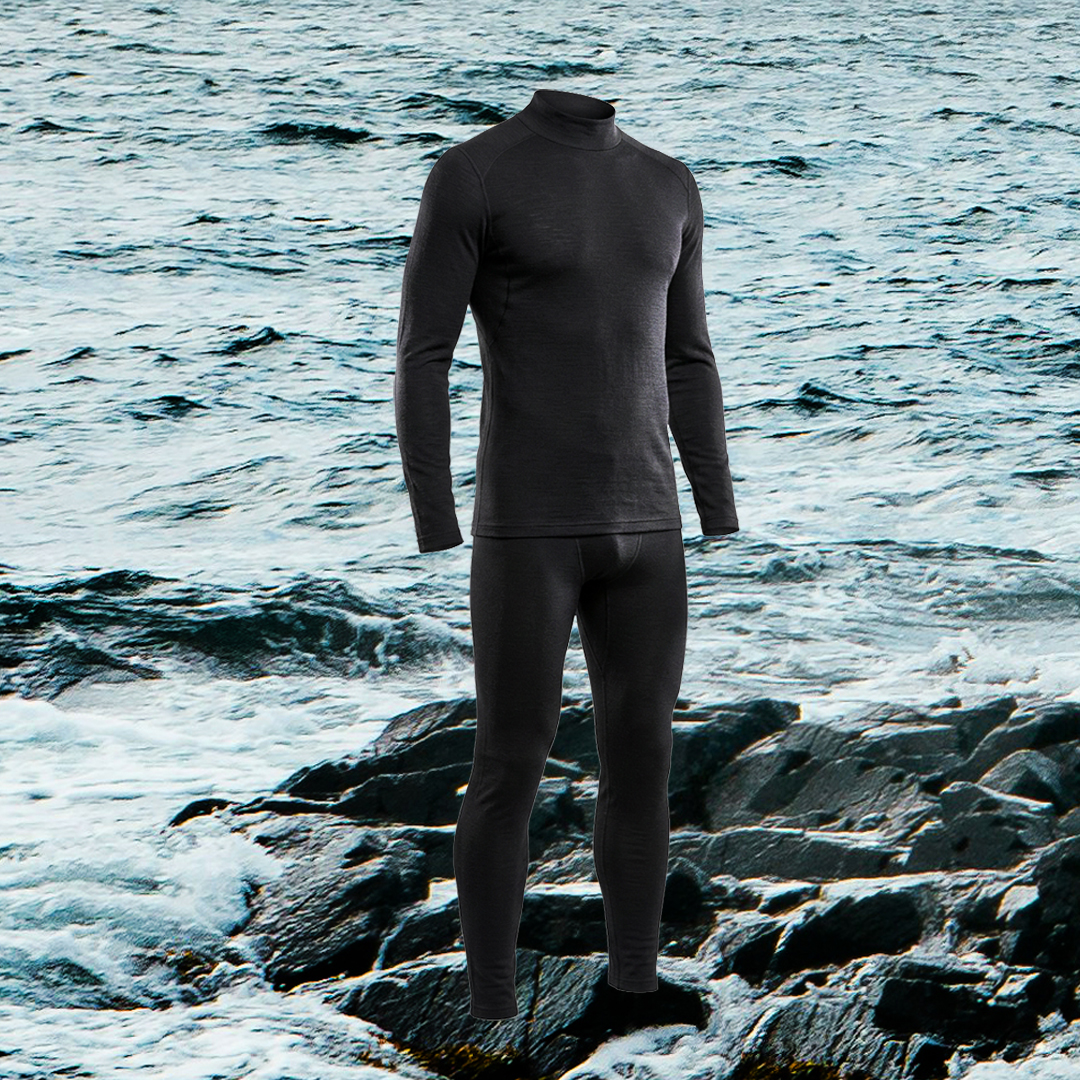
1. Base layer: moisture management
The base layer sits directly against the skin and its main purpose is to move moisture away from the body.
Choose:
Synthetic technical underwear or merino wool
Tight but comfortable fit
Avoid:
Cotton (retains moisture and causes heat loss)
A good base layer keeps you dry from the inside, reducing chill during both high activity and rest.
2. Mid layer: thermal insulation
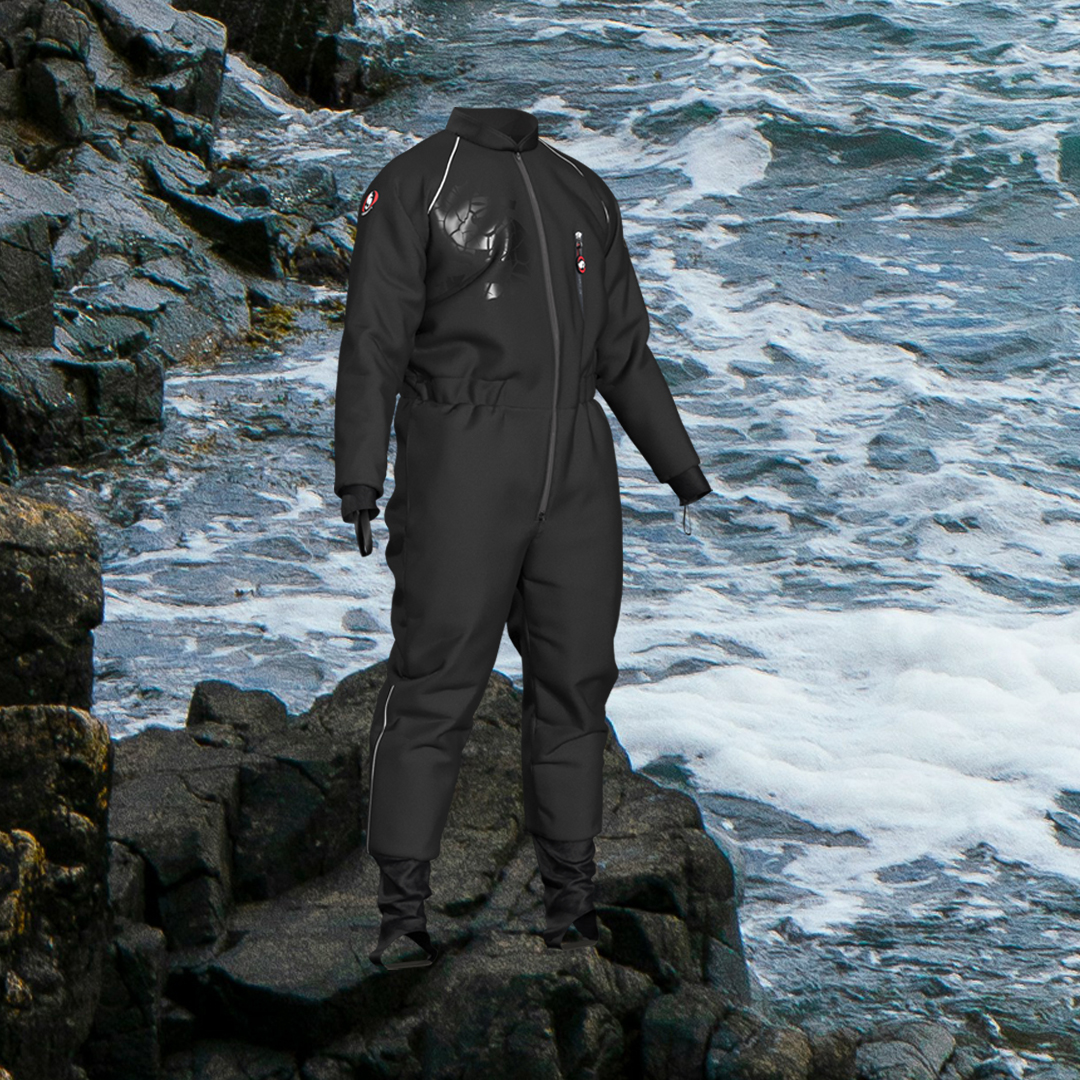
The mid-layer provides the primary thermal insulation by trapping air while allowing moisture to move away from the skin.
Choose your mid-layer based on conditions:
Light fleece or thermal base layer for cool conditions
Ursuit Thermofill Light for cold water or situations with low activity levels
Ursuit Thermofill Heavy for extreme cold conditions, when water temperatures are near freezing and activity is minimal
Please note that layering must be balanced: excessive insulation can overfill the drysuit, reducing breathability and restricting mobility.
Thermal protection and EN ISO 15027 classification
Ursuit’s EN ISO 15027 approved drysuits are tested as a complete system, where the base and mid-layers directly affect the achieved thermal protection.
The suits are divided into two thermal classes based on the undergarment used:
Class A (Highest thermal protection): Achieved by using the Ursuit Thermofill Heavy undergarment in combination with a drysuit equipped with integrated boots
→ Thermal protection time: 6 hours in +2 °C waterClass D: Achieved with standard under clothing in all Ursuit drysuits
→ Thermal protection time: 2 hours in +10 °C water
In practice, the actual thermal protection always depends on the layering, environmental conditions, and the user's activity level.
3. Socks: keep feet warm and dry
Feet are particularly vulnerable to cold.
Best practice:
Wear one or two pairs of thermal or wool socks
Avoid tight socks that restrict circulation
Match sock thickness to drysuit boot or sock size
4. Hands and neck considerations
While gloves and hoods are worn outside the drysuit, they affect overall thermal balance.
Tips:
Choose gloves and hoods appropriate to water temperature
Ensure seals sit comfortably against base layers without bunching
5. Fit and mobility check
After dressing, move through paddling, swimming, or working motions.
Check that:
Layers do not restrict movement
There is enough air space for insulation
Seals sit flat and comfortably
6. Adjust for activity level
More movement = less insulation needed. Less movement = more insulation required.
Always dress slightly cooler when starting high-activity sessions to avoid excessive sweating.
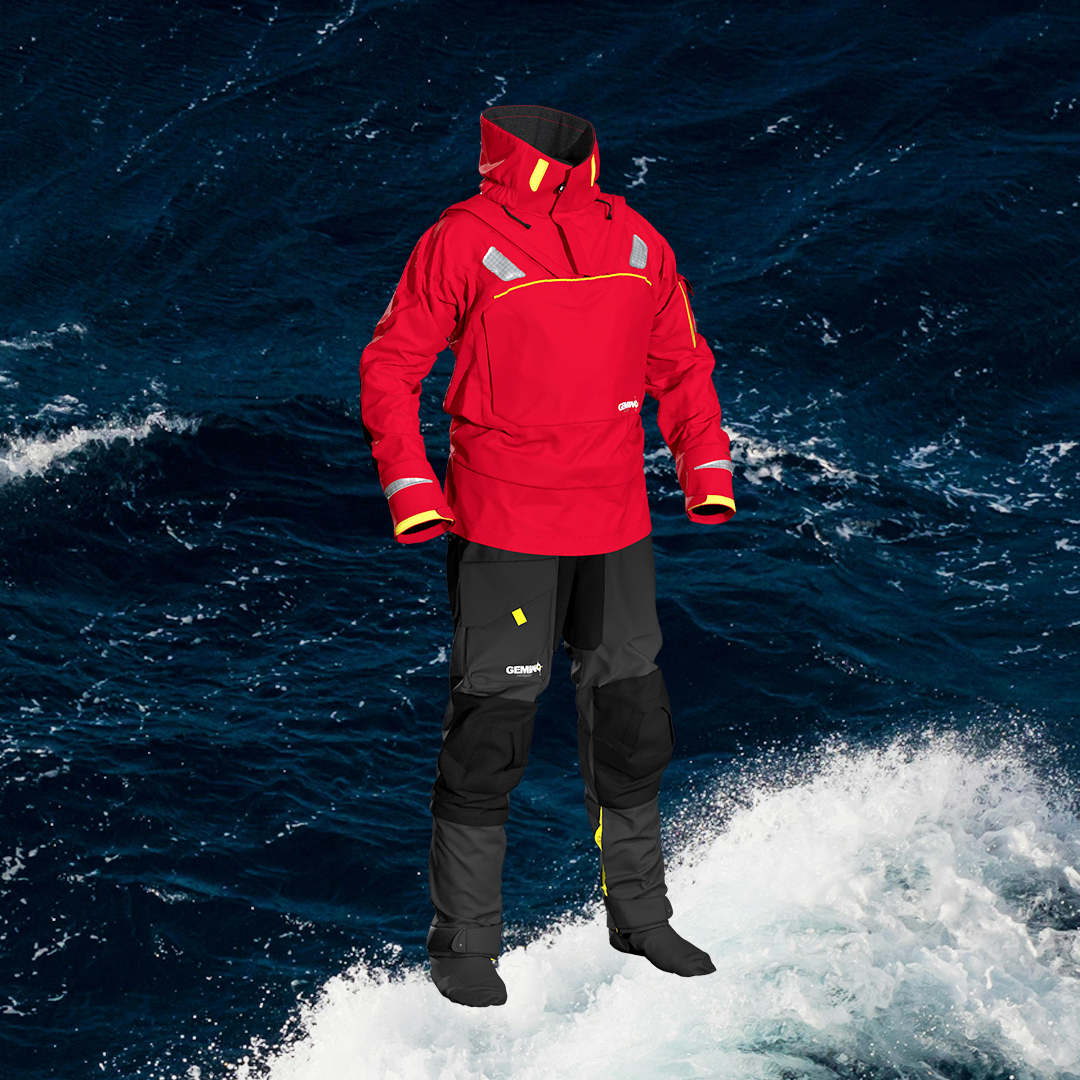
A Ursuit drysuit keeps water out, but proper layering keeps you warm. By combining moisture-wicking base layers, effective insulation, and smart adjustment to conditions, you can safely and comfortably operate in cold and extreme environments.
